
Appliance and Equipment Efficiency in Canada
Appliance and Equipment Efficiency in Canada
Strengthening appliance and equipment efficiency is among the lowest-cost ways to reduce energy use and greenhouse gas emissions
Inefficient appliances and equipment are driving up Canada’s energy costs and emissions.
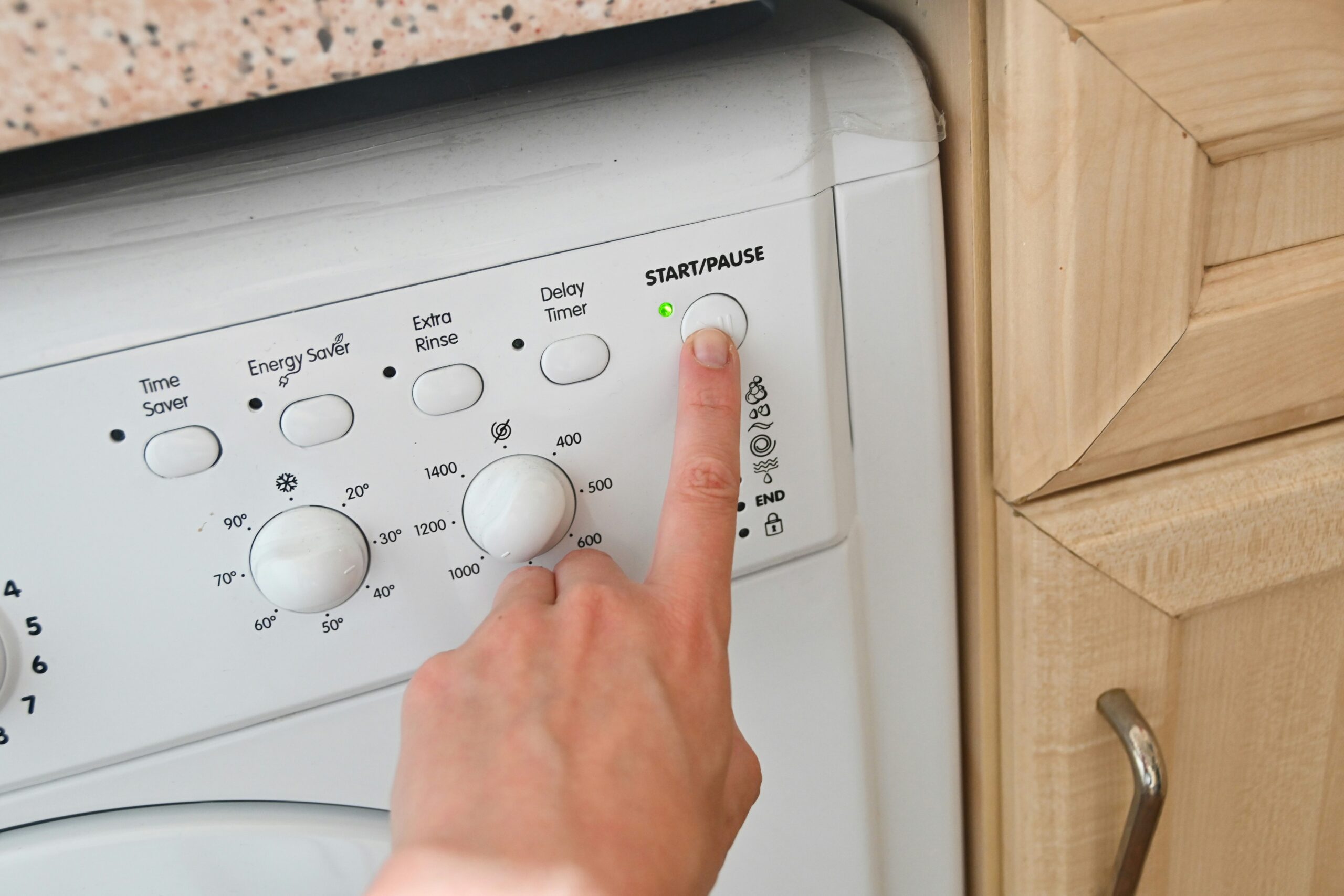
The average Canadian household has 25 appliances, many of which will remain in use for a decade or more.
With over 15.7 million homes and over 500,000 commercial and institutional buildings in Canada, improving appliance and equipment efficiency produces significant cumulative energy use and cost savings.
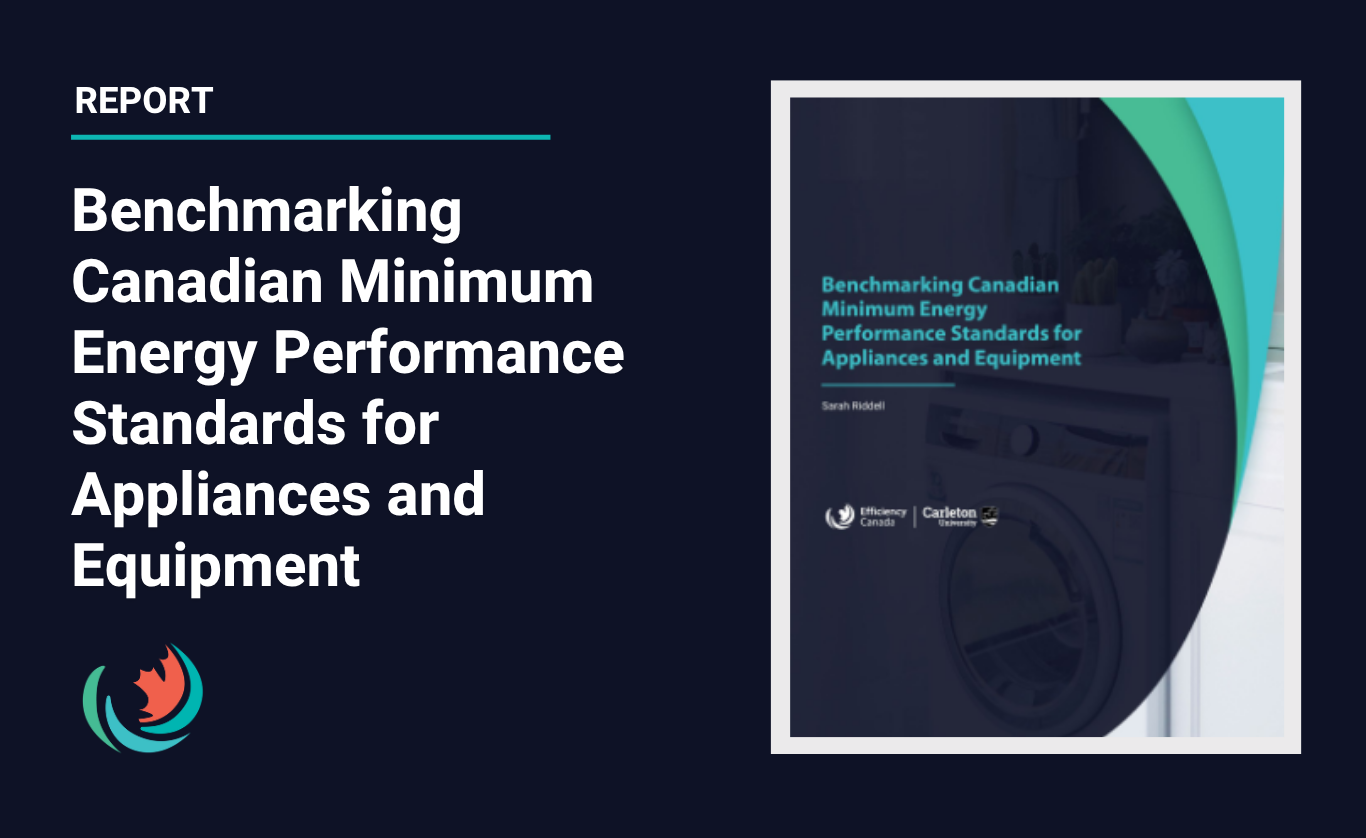
Canada's Energy Efficiency Regulations establish appliance and equipment standards with the goal of eliminating the least energy-efficient products from the market.
Since they came into effect in 1995, the Regulations have avoided emissions equivalent to taking 5.3 million cars off the road each year.
Why focus on appliance and equipment efficiency?
Reduce energy and emissions
Appliances and equipment account for 40% of global energy-related CO2 emissions. Electric motor systems are responsible for more than half of global electricity use.

Decrease peak electrical demand
More efficient appliances and equipment reduce peak electricity demand, supporting grid reliability, especially during extreme weather events like cold snaps or heatwaves.
Minimum Energy Performance Standards
MEPS define the maximum energy or water that appliances or equipment may consume. Ambitious federal and provincial MEPS lower energy bills for households and businesses, reduce greenhouse gas emissions, and decrease peak electricity demand.
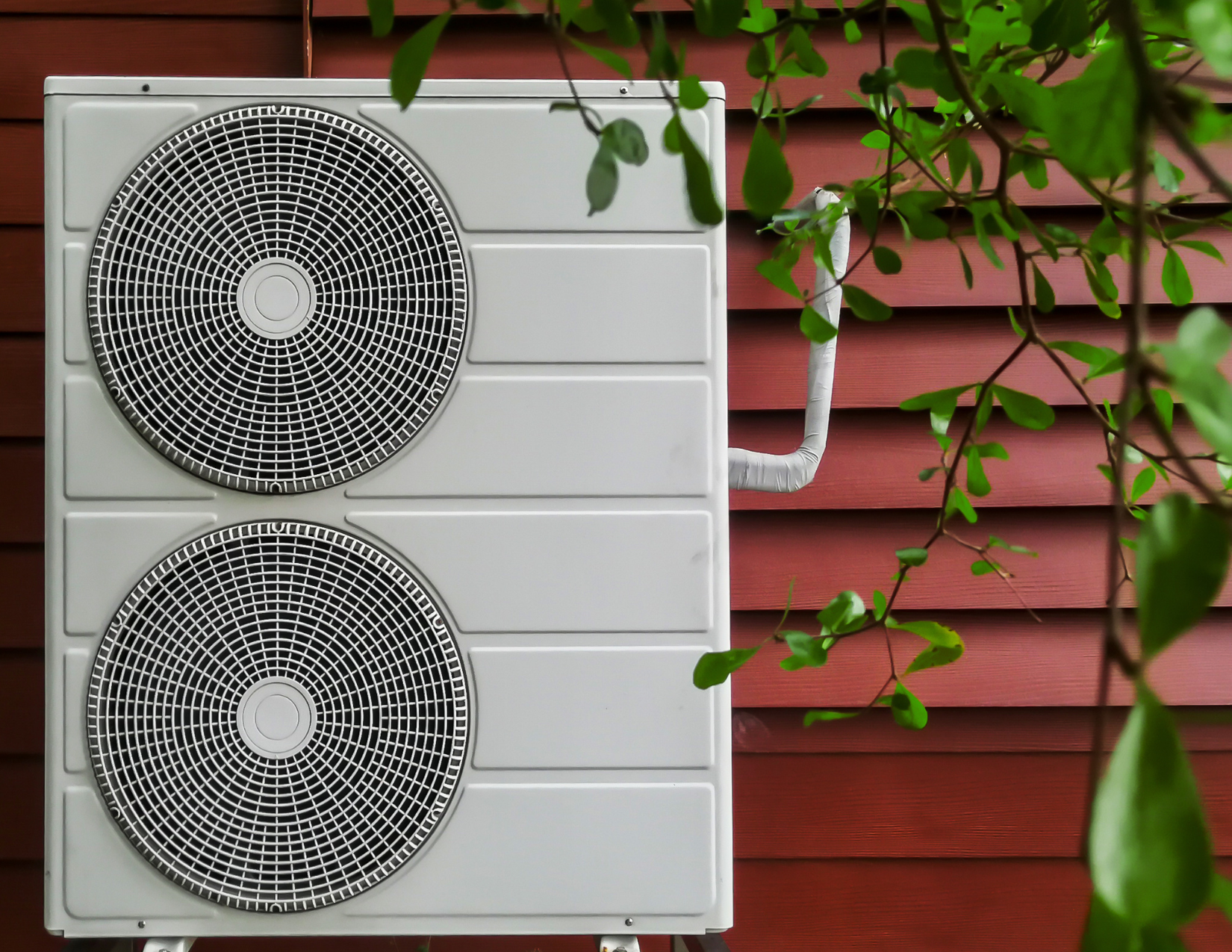
Heat pumps
Heat pumps use electricity to heat and cool households up to four times more efficiently than older technologies, like gas furnaces or electric resistance. Scaling up their adoption in Canada is essential to cutting energy waste, improving affordability, and electrifying buildings.
Since launching in 2018, Efficiency Canada’s research, communications and engagement have helped shape the conversation around appliance and equipment efficiency
Modernizing the Energy Efficiency Act
Efficiency Canada provided expert testimony to the Standing Senate Committee on Energy, the Environment and Natural Resources on Bill S-4: An Act to amend the Energy Efficiency Act.
The Committee adopted two amendments inspired by those proposed by Efficiency Canada. Senate amendments include the expansion of comparison reporting to include more leading jurisdictions, not just within North America, and the promotion of renewable energy sources in addition to emerging ones.
The Bill is currently in the House of Commons. The Energy Efficiency Act, which was passed in 1992, was updated in 2009 and 2017.

Ontario rebates for energy-efficient home appliances
Efficiency Canada’s research helped inform Ontario’s $10.9-billion Energy Efficiency Framework, the largest investment in energy-efficiency programs in Canadian history.
The framework includes a rebate for energy-efficient appliances like refrigerators, freezers and laundry machines.