
Energy Poverty in Canada
Nearly 2 million Canadian households experience energy poverty
While energy poverty is not formally defined in Canada, it is commonly understood as the situation in which a household cannot access adequate energy to maintain well-being at home.
Energy efficiency is a key solution. It supports housing affordability, enhances health outcomes and reduces emissions.
Why addressing energy poverty matters
Supports vulnerable communities
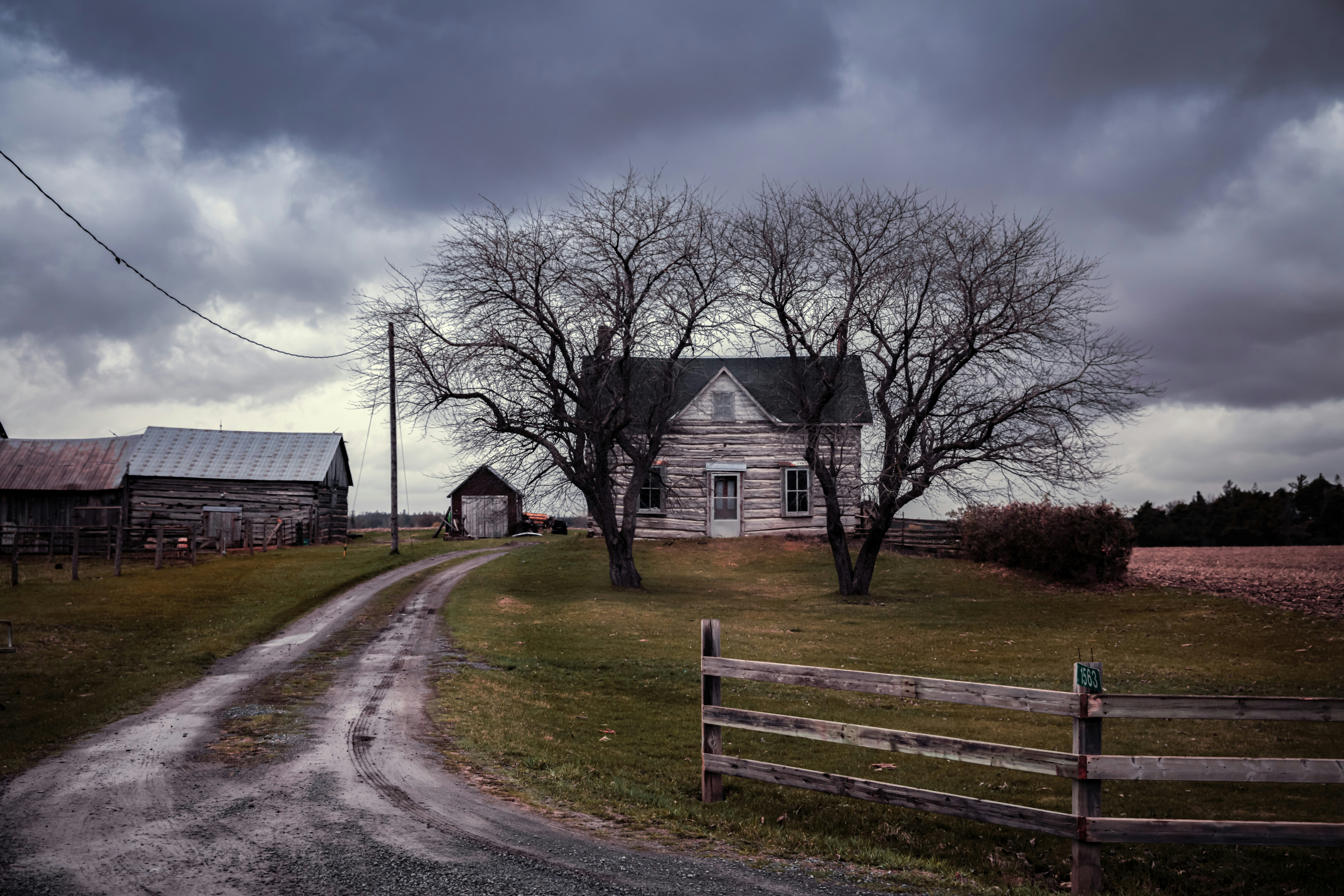
Efficiency Canada research shows that seniors, renters, newcomers, single-parent families and rural households are more likely to struggle with stable housing and good health. Energy poverty can worsen this struggle.
Improves health and comfort
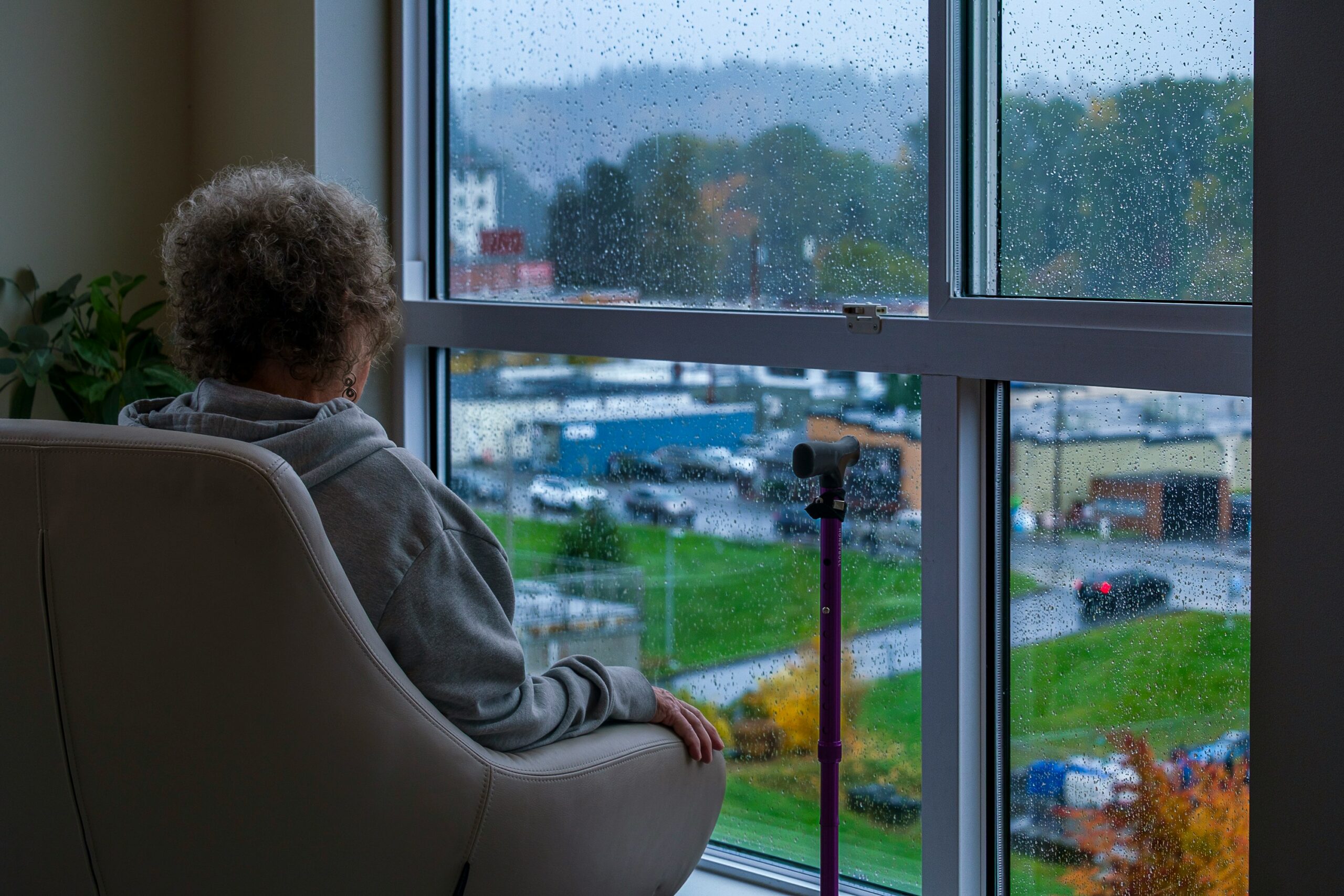
Energy poverty makes households more susceptible to health risks. These include increased winter and summer mortality, poor respiratory and cardiovascular health in individuals with pre-existing conditions, emotional distress, social isolation and more.

Helps low-income households
Rising energy costs and limited federal investments increase the urgency for a comprehensive national low-income energy efficiency program.
Energy poverty is a national issue
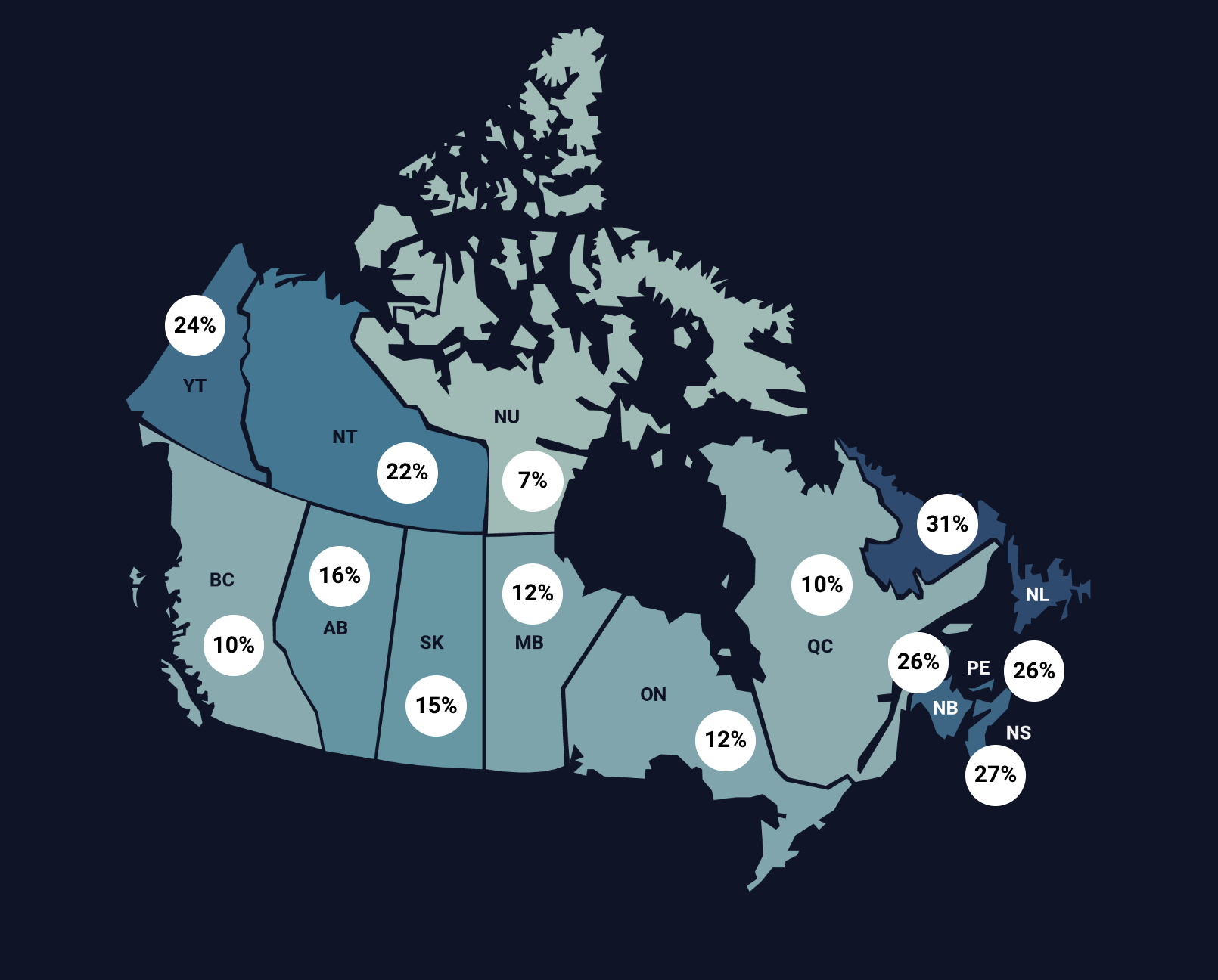
Efficiency Canada’s Energy Poverty Map shows the share of households in each province and territory that spend more than 6% of their income on energy bills. Explore the map to see how widespread this issue is in Canada.
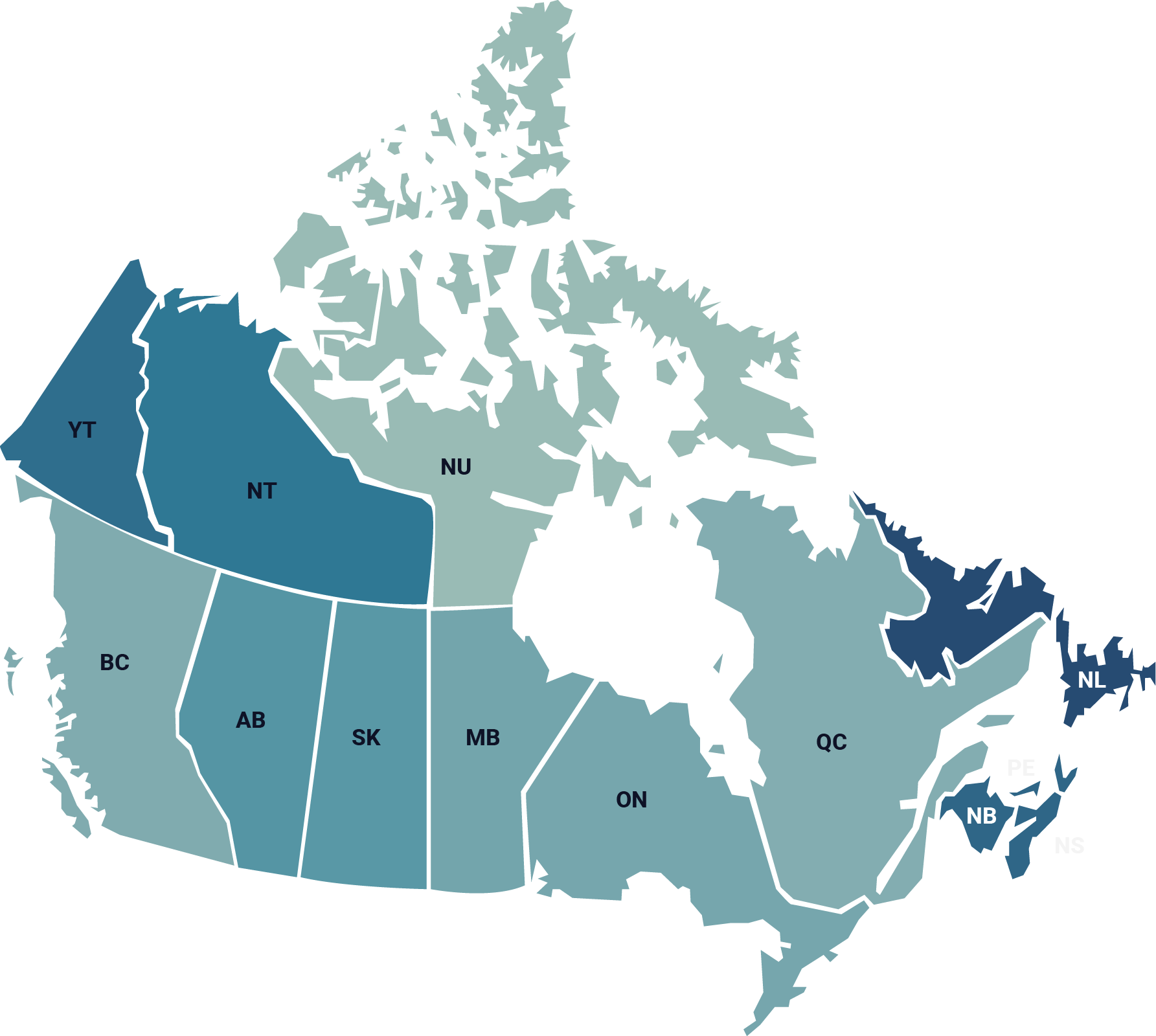
27% (113,690)
households are experiencing energy poverty
26% (16,975)
households are experiencing energy poverty
26% (86,380)
households are experiencing energy poverty
31% (69,985)
households are experiencing energy poverty
10% (374,105)
households are experiencing energy poverty
12% (637,810)
households are experiencing energy poverty
12% (61,990)
households are experiencing energy poverty
15% (69,345)
households are experiencing energy poverty
16% (261,750)
households are experiencing energy poverty
10% (211,080)
households are experiencing energy poverty
24% (4,145)
households are experiencing energy poverty
22% (3,355)
households are experiencing energy poverty
7% (700)
households are experiencing energy poverty
%
Alberta
16% (261,750)
households are experiencing energy poverty
%
British Columbia
10% (211,080)
households are experiencing energy poverty
%
Manitoba
12% (61,990)
households are experiencing energy poverty
%
New Brunswick
26% (86,380)
households are experiencing energy poverty
%
Newfoundland and Labrador
26% (69,985)
households are experiencing energy poverty
%
Northwest Territories
22% (3,355)
households are experiencing energy poverty
%
Nova Scotia
27% (113,690)
households are experiencing energy poverty
%
Nunavut
7% (700)
households are experiencing energy poverty
%
Ontario
12% (637,810)
households are experiencing energy poverty
%
Prince Edward Island
26% (16,975)
households are experiencing energy poverty
%
Quebec
10% (374,105)
households are experiencing energy poverty
%
Saskatchewan
15% (69,345)
households are experiencing energy poverty
%
Yukon
24% (4,145)
households are experiencing energy poverty
Improving energy efficiency in housing will make life more affordable
Energy efficiency upgrades lower energy bills, locking in savings over time. They create good local jobs, conserve energy, offer protection from cold and extreme weather events, and improve health and housing quality for all Canadians, especially the most vulnerable.
For Canada to become an “energy superpower,” no Canadian should experience energy poverty. Achieving this goal will require governments to improve and evolve programs that support the lowest-income Canadians in the least efficient homes.
Expand the Canada Greener Homes Affordability Program
CGHAP provides no-cost retrofits for low- and median-income households and renters. It is the first national energy efficiency program specifically targeting low-income households.
Launch a National Energy Poverty Strategy
To make energy and housing affordable in Canada, we need a comprehensive national strategy to address energy poverty. This would help measure energy poverty, set national targets, and coordinate solutions across federal, provincial, and utility programs.
Since launching in 2018, Efficiency Canada’s research, communications and engagement have helped shape the conversation around energy poverty
P.E.I. energy strategy
Prince Edward Island cited Efficiency Canada’s energy poverty research to support the creation of its island-wide land-use plan in 2024 and energy strategy in 2025.
Greener Homes Affordability Program
The Government of Canada launched the Greener Homes Affordability Program in 2025. The retrofit program includes several elements Efficiency Canada long advocated for, including no upfront costs, renter eligibility, and a flexible model tailored to regional needs.
Low-income energy efficiency report
Efficiency Canada published Efficiency for All report in 2022. This details how federal investment in provincial low-income energy efficiency programming could help achieve net-zero emissions and reduce energy poverty.
Oil to Heat Pump Affordability program
Policymakers credited Efficiency Canada’s advocacy and research in the launch of the federal Oil to Heat Pump Affordability program in 2022. The grant provides funding to purchase and install heat pumps without requiring upfront costs.
Budget 2019
The Government of Canada committed to “improving the energy efficiency of Canada’s homes and buildings” in Budget 2019. This reflected Efficiency Canada’s budget submission.
Research on energy poverty in Canada
Efficiency Canada tracks key indicators of energy poverty to provide clear, practical insights and recommendations to help governments and decision-makers end energy poverty.